Understanding DMSO: What It Is and Why People Use It
If you’ve stumbled upon the world of natural remedies, you might have heard of Dimethyl Sulfoxide, or DMSO. It’s a bit of a curious compound, to say the least. Chemically speaking, DMSO is a byproduct of wood pulp processing. Yet, despite its industrial origins, it’s gained quite a reputation for its potential therapeutic effects, particularly in ease of pain and inflammation.
People turn to DMSO for varied reasons: from soothing arthritis discomfort to speeding up recovery from sports injuries. Why? Because DMSO is known for its remarkable ability to penetrate skin and biological membranes rapidly. It moves quickly right through the skin barrier, carrying other compounds along with it. That’s a double-edged sword — magical for delivering healing, but risky if impurities hitch a ride.

As highlighted by WebMD, DMSO has its fair share of uses and risks. Its ability to carry substances across the skin means it can also transport unwanted chemicals, leading to possible adverse reactions. That’s why knowing exactly how to apply DMSO—and what to avoid—is key for anyone thinking about trying it.
Common Mistakes to Avoid When Applying DMSO
Let’s get real: DMSO is not your everyday lotion. Many people mess up early on by slapping it on without prepping, which can backfire wildly.
- Skipping skin cleansing: Never apply DMSO over dirty or unwashed skin. It will drag all the dirt, oils, or residues right into your bloodstream, which is the last thing you want.
- Using impure or low-quality DMSO: Look for pharmaceutical-grade or at least highly purified versions. Industrial or technical-grade DMSO often contain harmful contaminants.
- Applying near open wounds or broken skin: This can cause severe irritation and unwanted systemic exposure.
- Overusing the product: More isn’t always better. Applying DMSO too frequently or in excessive amounts won’t speed healing and might increase side effects.
- Ignoring storage guidelines: DMSO should be stored in tight containers away from heat and sunlight to maintain purity.
These are classic pitfalls that trip up newcomers but are totally avoidable with the right know-how.
Step-by-Step Guide: How to Safely Apply DMSO at Home
Alright, so you know what not to do. Here’s a straightforward breakdown on applying DMSO safely:
- Clean the area thoroughly. Use mild soap and water to wash the skin spot where you plan to apply. Pat it dry with a clean towel.
- Wear gloves or use a clean applicator. Avoid direct hand contact to stop the DMSO from pulling in unwanted compounds.
- Pour a small amount of DMSO onto a cotton ball or gauze. Avoid pouring it directly on your skin.
- Gently apply to the targeted area. Use smooth, even strokes to cover the surface, no rubbing needed.
- Let it air dry naturally. Don’t cover the area immediately so it can absorb properly.
- Wash your hands and any tools you used, just to be safe.
Repeat only as recommended by your healthcare provider or product instructions. Typically, once or twice per day.
Expert Tips for Maximizing Benefits While Minimizing Risks
If you’d like to get the most out of DMSO, these pointers are gold:
- Choose the right concentration. Most over-the-counter DMSO solutions range between 70% to 90%. A higher concentration isn’t always safer or more effective – start with lower strength to test tolerance.
- Be mindful of what else touches your skin. Don’t use lotions, perfumes, or sunscreen on treated areas, as DMSO can carry those substances right into your bloodstream.
- Don’t mix with other topical products. It’s tempting, but better to keep the routine simple to avoid unexpected reactions.
- Keep an eye out for side effects. Mild skin irritation, itching, or redness are relatively common; persistent or fierce reactions require stopping use immediately.
- Consult a healthcare provider beforehand. Especially if you’re on medications, pregnant, or nursing.
According to a recent fact sheet from the Canadian Department of National Defence, understanding DMSO’s properties enhances user safety significantly, especially regarding its absorption characteristics and interactions.
Real-Life User Scenarios: When and How DMSO Can Help
You might wonder, when exactly does DMSO come in handy? Here are a few typical cases where it shines:
Arthritis Relief
Many with joint pain swear by DMSO for reducing inflammation and dulling pain. Applying it regularly to knees or hands can soothe stiffness after a long day.
Sports Injuries and Muscle Strains
For sprains or bruises, the rapid absorption lets DMSO deliver relief faster than some creams. It’s a favorite among athletes looking for natural, non-drug recovery boosts.
Skin Conditions
Some turn to it for inflammatory skin issues, but caution is key here to avoid irritation.
This video breaks down a clear, simple method for applying DMSO safely to ease pain—great for beginners who want to dodge rookie mistakes.
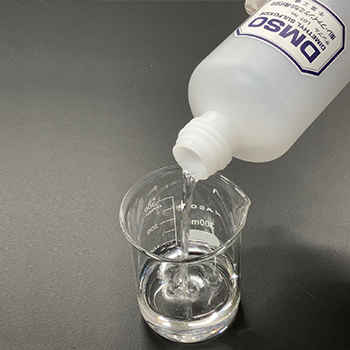
Visual Guide: Proper Application Techniques and Dosage
Visual learners, this section’s for you. Here’s some friendly advice to picture while applying DMSO:
- Amount: Typically, a small pea-sized amount spread thin is enough per application area about palm-sized.
- Tools: Use cotton or gauze pads rather than sponges or brushes, as they hold the liquid better.
- Movement: Gently pat or lightly swipe on—no scrubbing, which can damage healthy skin.
- Frequency: Usually one to two times daily is enough, but avoid layering multiple applications back to back.
Remember to dry your hands promptly after use and store your DMSO bottle tightly closed away from sunlight.
What to Look for When Buying DMSO: A Budget-Conscious Shopper’s Checklist
Buying DMSO can feel like a maze, especially with varied purity levels and price tags. Keep these tips in mind to avoid overspending or getting stuck with dodgy products:
- Purity is critical. Pharmaceutical-grade or USP grade DMSO ensures fewer contaminants and safer use.
- Look for transparent lab testing. If a seller posts certificates of analysis (COA), that’s a strong sign of quality.
- Check packaging. Dark or amber bottles protect DMSO from light damage.
- Compare prices but beware of prices that feel too low. Cheap DMSO may carry risks you just don’t want.
Here’s a no-frills, friendly product choice for those who need reliable DMSO without breaking the bank:
Though not direct DMSO, this product reminds us that cultural trends and comfort blend well when taking care of yourself — style meets ease during recovery days.
- Ideal for: casual wear while healing
- Key benefit: Comfortable and breathable for sensitive skin days
Price: $28.63
And here’s a practical pick for those with family commitments who want a simple, comfy solution for little ones during busy times:

FAQ
Q: Is it safe to use DMSO every day?
A: Daily use is possible but should be moderate and monitored. Start slow and watch how your skin reacts, and always keep the treated area clean.
Q: Can I apply DMSO to infected or broken skin?
A: No, applying DMSO on broken or infected skin can worsen the condition, introduce contaminants to your bloodstream, and cause irritation.
Q: What concentration of DMSO should I use as a beginner?
A: Starting with lower concentrations like 50%-70% is safer, letting your skin adapt gradually before considering higher strengths.
Q: How long does it take to feel relief after applying DMSO?
A: Many users notice reduced discomfort within minutes, but effects can vary depending on the condition and application area.
Q: Can DMSO be combined with other topical medications?
A: It’s better to avoid combining DMSO with other topical products, as it might carry their chemicals deep into the skin and bloodstream unpredictably.
(souece: https://smart.dhgate.com/how-to-safely-apply-dmso-a-practical-guide-to-benefits-and-best-practices/ )