How to live in the Trump’s New America.
How to Safely Apply DMSO: A Practical Guide to Benefits and Best Practices
Understanding DMSO: What It Is and Why People Use It
If you’ve stumbled upon the world of natural remedies, you might have heard of Dimethyl Sulfoxide, or DMSO. It’s a bit of a curious compound, to say the least. Chemically speaking, DMSO is a byproduct of wood pulp processing. Yet, despite its industrial origins, it’s gained quite a reputation for its potential therapeutic effects, particularly in ease of pain and inflammation.
People turn to DMSO for varied reasons: from soothing arthritis discomfort to speeding up recovery from sports injuries. Why? Because DMSO is known for its remarkable ability to penetrate skin and biological membranes rapidly. It moves quickly right through the skin barrier, carrying other compounds along with it. That’s a double-edged sword — magical for delivering healing, but risky if impurities hitch a ride.

As highlighted by WebMD, DMSO has its fair share of uses and risks. Its ability to carry substances across the skin means it can also transport unwanted chemicals, leading to possible adverse reactions. That’s why knowing exactly how to apply DMSO—and what to avoid—is key for anyone thinking about trying it.
Common Mistakes to Avoid When Applying DMSO
Let’s get real: DMSO is not your everyday lotion. Many people mess up early on by slapping it on without prepping, which can backfire wildly.
- Skipping skin cleansing: Never apply DMSO over dirty or unwashed skin. It will drag all the dirt, oils, or residues right into your bloodstream, which is the last thing you want.
- Using impure or low-quality DMSO: Look for pharmaceutical-grade or at least highly purified versions. Industrial or technical-grade DMSO often contain harmful contaminants.
- Applying near open wounds or broken skin: This can cause severe irritation and unwanted systemic exposure.
- Overusing the product: More isn’t always better. Applying DMSO too frequently or in excessive amounts won’t speed healing and might increase side effects.
- Ignoring storage guidelines: DMSO should be stored in tight containers away from heat and sunlight to maintain purity.
These are classic pitfalls that trip up newcomers but are totally avoidable with the right know-how.
Step-by-Step Guide: How to Safely Apply DMSO at Home
Alright, so you know what not to do. Here’s a straightforward breakdown on applying DMSO safely:
- Clean the area thoroughly. Use mild soap and water to wash the skin spot where you plan to apply. Pat it dry with a clean towel.
- Wear gloves or use a clean applicator. Avoid direct hand contact to stop the DMSO from pulling in unwanted compounds.
- Pour a small amount of DMSO onto a cotton ball or gauze. Avoid pouring it directly on your skin.
- Gently apply to the targeted area. Use smooth, even strokes to cover the surface, no rubbing needed.
- Let it air dry naturally. Don’t cover the area immediately so it can absorb properly.
- Wash your hands and any tools you used, just to be safe.
Repeat only as recommended by your healthcare provider or product instructions. Typically, once or twice per day.
Expert Tips for Maximizing Benefits While Minimizing Risks
If you’d like to get the most out of DMSO, these pointers are gold:
- Choose the right concentration. Most over-the-counter DMSO solutions range between 70% to 90%. A higher concentration isn’t always safer or more effective – start with lower strength to test tolerance.
- Be mindful of what else touches your skin. Don’t use lotions, perfumes, or sunscreen on treated areas, as DMSO can carry those substances right into your bloodstream.
- Don’t mix with other topical products. It’s tempting, but better to keep the routine simple to avoid unexpected reactions.
- Keep an eye out for side effects. Mild skin irritation, itching, or redness are relatively common; persistent or fierce reactions require stopping use immediately.
- Consult a healthcare provider beforehand. Especially if you’re on medications, pregnant, or nursing.
According to a recent fact sheet from the Canadian Department of National Defence, understanding DMSO’s properties enhances user safety significantly, especially regarding its absorption characteristics and interactions.
Real-Life User Scenarios: When and How DMSO Can Help
You might wonder, when exactly does DMSO come in handy? Here are a few typical cases where it shines:
Arthritis Relief
Many with joint pain swear by DMSO for reducing inflammation and dulling pain. Applying it regularly to knees or hands can soothe stiffness after a long day.
Sports Injuries and Muscle Strains
For sprains or bruises, the rapid absorption lets DMSO deliver relief faster than some creams. It’s a favorite among athletes looking for natural, non-drug recovery boosts.
Skin Conditions
Some turn to it for inflammatory skin issues, but caution is key here to avoid irritation.
This video breaks down a clear, simple method for applying DMSO safely to ease pain—great for beginners who want to dodge rookie mistakes.
Visual Guide: Proper Application Techniques and Dosage
Visual learners, this section’s for you. Here’s some friendly advice to picture while applying DMSO:
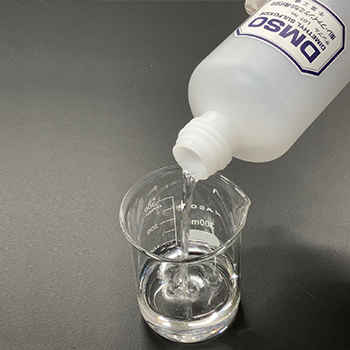
- Amount: Typically, a small pea-sized amount spread thin is enough per application area about palm-sized.
- Tools: Use cotton or gauze pads rather than sponges or brushes, as they hold the liquid better.
- Movement: Gently pat or lightly swipe on—no scrubbing, which can damage healthy skin.
- Frequency: Usually one to two times daily is enough, but avoid layering multiple applications back to back.
Remember to dry your hands promptly after use and store your DMSO bottle tightly closed away from sunlight.
What to Look for When Buying DMSO: A Budget-Conscious Shopper’s Checklist
Buying DMSO can feel like a maze, especially with varied purity levels and price tags. Keep these tips in mind to avoid overspending or getting stuck with dodgy products:
- Purity is critical. Pharmaceutical-grade or USP grade DMSO ensures fewer contaminants and safer use.
- Look for transparent lab testing. If a seller posts certificates of analysis (COA), that’s a strong sign of quality.
- Check packaging. Dark or amber bottles protect DMSO from light damage.
- Compare prices but beware of prices that feel too low. Cheap DMSO may carry risks you just don’t want.
Here’s a no-frills, friendly product choice for those who need reliable DMSO without breaking the bank:
Though not direct DMSO, this product reminds us that cultural trends and comfort blend well when taking care of yourself — style meets ease during recovery days.
- Ideal for: casual wear while healing
- Key benefit: Comfortable and breathable for sensitive skin days
Price: $28.63
And here’s a practical pick for those with family commitments who want a simple, comfy solution for little ones during busy times:

FAQ
Q: Is it safe to use DMSO every day?
A: Daily use is possible but should be moderate and monitored. Start slow and watch how your skin reacts, and always keep the treated area clean.
Q: Can I apply DMSO to infected or broken skin?
A: No, applying DMSO on broken or infected skin can worsen the condition, introduce contaminants to your bloodstream, and cause irritation.
Q: What concentration of DMSO should I use as a beginner?
A: Starting with lower concentrations like 50%-70% is safer, letting your skin adapt gradually before considering higher strengths.
Q: How long does it take to feel relief after applying DMSO?
A: Many users notice reduced discomfort within minutes, but effects can vary depending on the condition and application area.
Q: Can DMSO be combined with other topical medications?
A: It’s better to avoid combining DMSO with other topical products, as it might carry their chemicals deep into the skin and bloodstream unpredictably.
(souece: https://smart.dhgate.com/how-to-safely-apply-dmso-a-practical-guide-to-benefits-and-best-practices/ )
NASA responds to Kim Kardashian claiming moon landing ‘was fake’
NASA responded directly to Kim Kardashian trying to promote conspiracy theories about the 1969 moon landing.
Acting Administrator Sean Duffy addressed the reality star, 45, on X, formerly Twitter, Thursday amid viral comments made on the latest episode of “The Kardashians.”
“Yes, @KimKardashian, we’ve been to the Moon before… 6 times! And even better: @NASAArtemis is going back under the leadership of @POTUS,” tweeted Duffy. “We won the last space race and we will win this one too!”
The SKIMS founder spent a portion of the reality series’ latest episode trying to convince “All’s Fair” costar Sarah Paulson that Apollo 11 crew members Neil Armstrong, Buzz Aldrin, and Michael Collins didn’t land on the moon in July 1969.
Emmy winner Paulson, 50, assures Kardashian that she will do a “massive deep dive.”
“I send her conspiracies all the time,” Kardashian says in a confessional. “They’re gonna say I’m crazy no matter what, but go to TikTok. See for yourself.”

“I think [the moon landing] was fake,” Kardashian subsequently tells a producer. “I’ve seen a few videos on Buzz Aldrin, talking about how it didn’t happen. He says it all the time now in interviews.”
Kardashian’s contention isn’t a novel one, with similar conspiracy theories traced back at least as far as 1976, with Bill Kaysing’s self-published pamphlet, “We Never Went to the Moon.”
Six U.S. crews landed on the lunar surface between 1969 and 1972, with the late Armstrong making history as the first person to ever set foot on the moon, followed by Aldrin, 95.
Yes, @KimKardashian, we’ve been to the Moon before… 6 times!
And even better: @NASAArtemis is going back under the leadership of @POTUS.
We won the last space race and we will win this one too 🇺🇸🚀
🎥: Hulu pic.twitter.com/CkexEEPFSv
— NASA Acting Administrator Sean Duffy (@SecDuffyNASA) October 30, 2025
What…wait… NASA never sent humans to the Moon?
Did they went to the Moon? An interesting video.
Live a normal life in America now
A summary of Bill Kaysong lifestyle and philodophy.
The Richard C Hoagland Song
The strange figure of Richard C. Hoagland.

Priced Out Of The Farmer’s Market: Food Prices Are Skyrocketing Across The Country
In this video we talk about how food prices are rising all over the country as cost of living and tariffs affect the economy. Even the farmer’s market is too expensive for most Americans.

Twenty Years Since the Death of Bill Kaysing
It should have been today’s article. Bill Kaysing died on April 21, 2005 after an adventurous life. Half spent working as a white-collar worker and shuffling paperwork, half as an independent writer exploring the American West with a caravan or, captaining the Flying Goose, discovering the ravines of the California delta.
I couldn’t even explain the intense empathy that made me decide to write his biography, an almost autobiography, written by proxy.
I have always believed, and not alone, that Bill’s adventurous life should be turned into a film. The imagination of AI creates hypothetical posters for blockbuster movies. Pure fantasy, do you think?

Exposing America’s Debt Plantation: How The Cost Of Living Crisis Is Affecting The Most Vulnerable.
In this video we talk about how the standardization of personal debt in America has erased the possibility for the American dream for the average citizen. In the video we talk about how people at the opposite ends of the socioeconomic spectrum are both affected by the same debt system.
Interview with Albino Galuppini – AwE130
The writer of the Bill Kaysing biography. In 2015 AwE130 interviewed Albino Galuppini, writer of the biography of Bill Kaysing. The book, originally written in Italian, records the life and adventures of Bill Kaysing and is titled “La Penna Più Veloce Del West”, which translates as “The Fastest Pen Of The West”. The life of Bill Kaysing marked the beginning of a journey that has never ended. A life full of action, adventure and of course the fake Apollo moon landings. August 2015, an AwE130 interview with Albino Galuppini, writer of the Bill Kaysing biography: “The Fastest Pen Of The West”.
https://www.awe130.com/
![Amazon.it: The Fastest Pen of the West [Part Two]: Biography of Bill Kaysing - Galuppini, Albino - Libri](https://m.media-amazon.com/images/I/710aeGgah2L._AC_UF1000,1000_QL80_.jpg)
THE APOLLO MOON HOAX: THE REAL EVIDENCE” FEATURING RANDY WALSH & MARCUS ALLEN
In this mini series, Randy will be interviewing Marcus Allen featuring his new book “THE APOLLO MOON HOAX:THE REAL EVIDENCE” which he co wrote with Trevor Weaver.
The True Story Behind Johansson & Tatum Romcom, Fly Me To The Moon
As the romcom revival continues, Fly Me To The Moon has officially landed in cinemas, led by Hollywood stalwarts Scarlet Johansson and Channing Tatum. It whisks us back to the 1960s, with the Space Race in full swing, and surrounds NASA’s creation of a ‘back-up’, staged moon landing just in case Neil Armstrong, Buzz Aldrin and Michael Collins didn’t actually make it. Here’s exactly what to expect from the film – plus the weird true story underpinning it all.
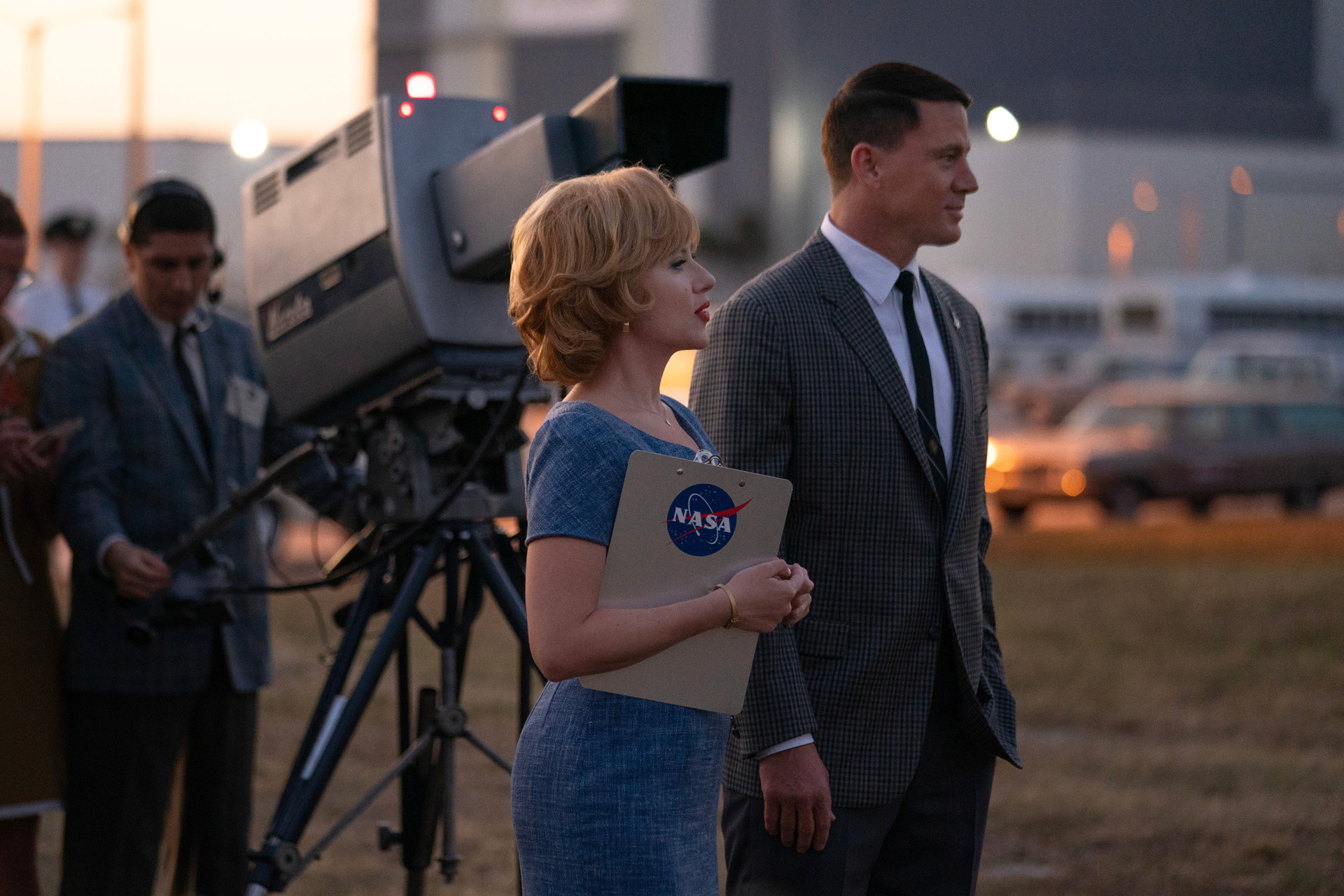
Scarlett Johansson and Channing Tatum in “Fly Me to the Moon,” in cinemas 12 July 2024.
Fly Me To The Moon: Plot, Cast & Back Story
Originally titled Project Artemis, Apple announced it was working on a Space Race film in March 2022, with a budget surpassing $100 million. Finally getting around to filming in October 2022, Fly Me To The Moon sat in post-production for a long time due to delayed distribution deals – but it’s finally in cinemas now.
What Is Fly Me To The Moon About?
Transporting us back to 1960s America, Fly Me To The Moon is set in the midst of the Space Race between Cold War rivals USA and Russia. As NASA creeps ever closer to landing a space rocket on the moon, and even getting a spaceman to take man’s first steps on the cratered surface, directors start to worry just what might happen if they don’t succeed and, God forbid, Russia does.
Enter Kelly Jones (Scarlett Johansson), a marketing specialist enlisted to fix NASA’s public image. Working closely with NASA’s director Cole Davis (Channing Tatum), sparks fly in all directions as Kelly wreaks havoc on Cole’s plans. And White House Nixon aide Moe (Woody Harrelson) deems the mission too important to fail, Kelly has a new task: staging a ‘back up’ fake moon landing.
Who Stars?
- Scarlett Johansson as Kelly Jones
- Channing Tatum as Cole Davis
- Jim Rash as Lance Vespertine
- Ray Romano as Henry Smalls
- Woody Harrelson as Moe Berkus
- Anna Garcia as Ruby Martin
- Donald Elise Watkins as Stu Bryce
- Noah Robbins as Don Harper
- Colin Woodell as Buzz Aldrin
- Christian Zuber as Michael Collins
- Nick Dillenburg as Neil Armstrong
- Christian Clemenson as Press Agent Walter
- Gene Jones as Senator Hopp
- Joe Chrest as Senator Vanning
- Stephanie Kurtzuba as Jolene Vanning
- Colin Jost as Senator Cook
- Peter Jacobson as Chuck Meadows
- Bill Barrett as Cole Impersonator
- Greg Kriek as Henry Impersonator
- Art Newkirk as General Alexei Leonov
- Ashley Kings as Patricia Collins
- Jonathan Orea Lopez as a beach spectator
- Eva Pilar as a secretary
- Corbin Flanders as Henry’s son
- Chad Crowe
- Will Jacobs
- Melissa Litow
- Lauren Revard
- Jesse Mueller

Channing Tatum and Ray Romano in “Fly Me to the Moon,” in cinemas 12 July 2024.
Is It Based On A True Story?
Directed by Greg Berlanti with a story by Keenan Flynn and Bill Kirstein and a script by Rose Gilroy, some elements of Fly Me To The Moon are true, other elements are fictional, and other elements take the truth and spin it for the screen. For one, NASA naturally insists they never filmed a fake moon landing. Speaking to TIME, Bill Barry, NASA’s chief historian from 2010 to 2020, says: ‘There’s no evidence whatsoever that NASA ever faked a moonwalk.’
Of course, conspiracy theorists still maintain that people have never made it to the moon (including 10 percent of Americans), with many detractors inspired by former US naval officer Bill Kaysing’s 1976 self-published book We Never Went To The Moon: America’s Thirty Billion Dollar Swindle, published amid growing scepticism for the government, from the Vietnam War to Watergate. Arguably, Fly Me To The Moon is fuel on the fire – albeit tongue in cheek. Interestingly, the US’ competition, the Soviet Union, never questioned the legitimacy of NASA’s accomplishment.
Plus, in Fly Me To The Moon, there is a large emphasis on marketing the moon and creating partnerships with companies like Omega. It’s true that money was spent making the moon landing more appealing to the American public, who thought money would be better spent on solid ground amid the civil rights movement and the Vietnam War. Writer Rose Gilroy drew on David Meerman Scott and Richard Jurek’s book Marketing the Moon to bring this side of the story to life; the book details how NASA used product placement, magazine articles and TV ads to inspire an interest in space and the moon in Americans.
That said, NASA employees are actually not allowed to endorse products. As it says on NASA’s website, ‘as a government agency, NASA will not promote or endorse or appear to promote or endorse a commercial product, service, or activity.’ Barry adds: ‘In dealing with the public in any form, I was regularly reminded by our legal folks that giving even the appearance of an endorsement for a commercial product would get me in big trouble.’

Scarlett Johansson in “Fly Me to the Moon,” in cinemas 12 July 2024.
Is Kelly Jones A Real Person?
Scarlett Johansson’s character Kelly Jones is not a real woman, but there was a real head of public affairs at NASA during the ‘60s: Julian Scheer. Scheer oversaw a press office style team of ex-journalists who assisted the media in covering the space programme and profiling astronauts. The run up to the moon landing in 1969, rather than plotting to film a fake moon landing, NASA’s press team were more concerned about what they would tell the world if any of the astronauts died during the mission. In fact, countless statements were carefully prepared to that effect – thankfully never used.
In Fly Me To The Moon, Kelly clashes with Channing Tatum’s NASA director character Cole Davis – setting the duo up for an enemies to lovers arc. And there really was a clash between Julian and NASA’s flight director Deke Slayton. As Gilroy tells USA Today, ‘There really was a massive argument of, “You want to put a camera on (the module)? What, are you crazy? We’re just trying to get up there”. Of course we fictionalized it, made Julian a woman and totally changed her backstory. But the heart of that existed, and those conversations did happen down at NASA.’

Channing Tatum in “Fly Me to the Moon,” in cinemas 12 July 2024.
Is The Apollo 1 Story Real?
In Fly Me To The Moon, Cole is haunted by the events of Apollo 1 – a very real, tragic story in which three astronauts were killed in a cabin fire during a launch test. The story is drawn into Cole’s character, with the three astronauts close friends of Cole’s in the world of the film. ‘Cole is really an amalgamation of so many of the flight directors and people who had to deal with the grief of Apollo 1, and then continue on to try and do the impossible,’ Gilroy tells USA Today. ‘Cole the character is not real, but his grief is. Thousands of people who had jobs like that had to go into work every day, knowing they’re carrying the legacy of people they lost.’
(source: https://www.countryandtownhouse.com/culture/fly-me-to-the-moon-movie/ )